Vital Angling Gear for Any Angler: A Comprehensive Checklist
For both novice and experienced anglers, essential fishing gear is important. Having a detailed checklist can markedly improve the fishing experience. Vital equipment such as rods, reels, and tackle organization play significant roles. Furthermore, the right clothing and accessories help to comfort and safety on the water. Still, many fail to acknowledge the importance of routine maintenance. Understanding these aspects can result in more successful outings. What specific gear should every angler focus on to maximize their time fishing?
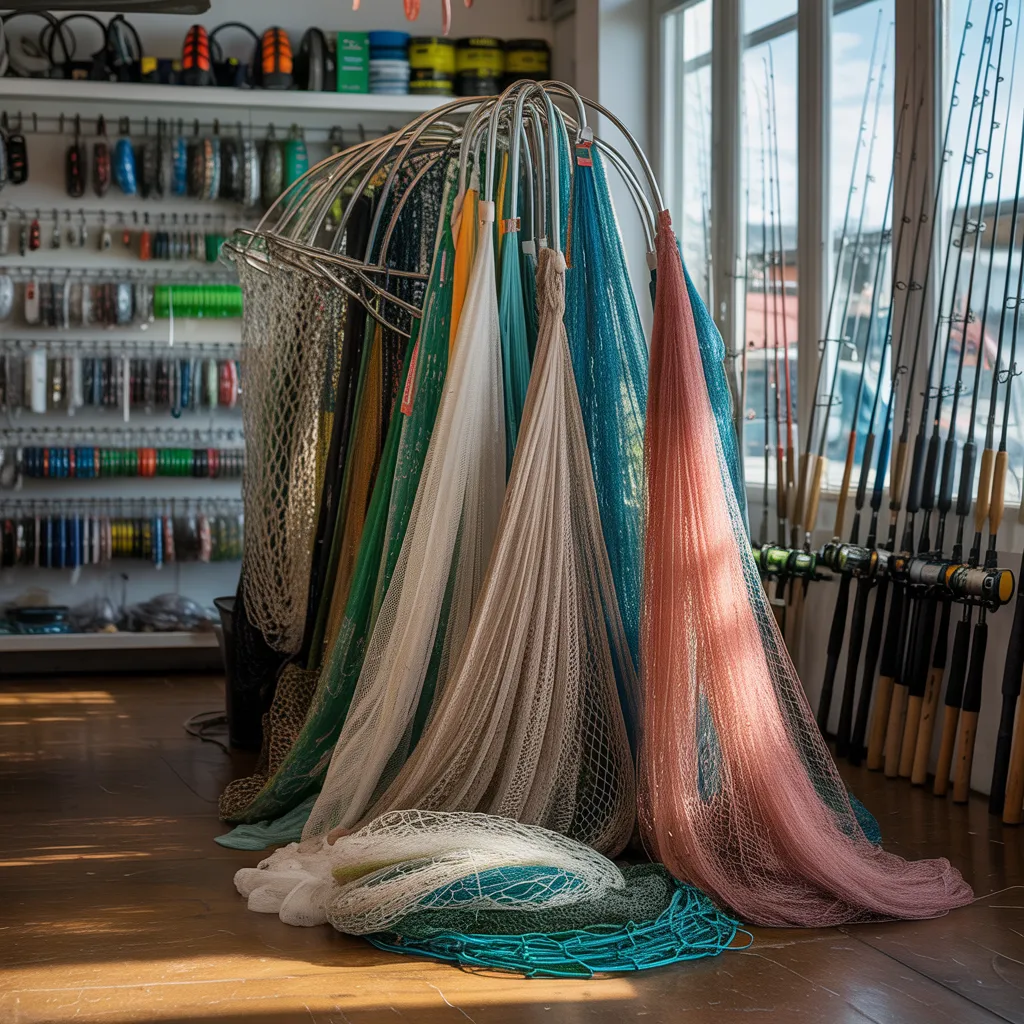
Essential Fishing Rods and Reels You Must Own
When embarking on a fishing excursion, choosing the suitable equipment is essential for a successful outing. The choice of fishing rod often is influenced by the type of angling pursuit being carried out. For case in point, a spinning rod is adjustable and ideal for beginners, enabling multiple fishing methods and fish species. In opposition to, a casting reel rod furnishes superior accuracy and authority, making it preferred by experienced anglers targeting larger fish.
Fishing success is greatly influenced by reels. Spinning reels are user-friendly, designed for lighter lines, and ideal for species like trout or bass. Baitcasting reels, although requiring more skill, offer greater accuracy and are commonly employed in heavy-duty fishing scenarios. For unique applications, fly reels are necessary for fly fishing, enabling gentle casts. Ultimately, the correct combination of rod and reel enhances the angler’s ability to adapt to different fish species and settings.
How to Arrange Your Tackle Box Like a Pro
A systematically arranged tackle box significantly boosts an angler's efficiency on the water. To start, anglers should categorize their gear by classification—hooks, lures, lines, and tools. Utilizing small, transparent compartments ensures visual clarity and quick access to each item. Tagging these sections can further streamline the process, enabling quick finding of essentials quickly during a fishing trip.
Next, placing commonly used gear at the top or in easily accessible areas ensures that time is not wasted searching inside the box. Regularly checking and maintaining gear condition is essential; replacing worn-out items avoids frustration on fishing days. Additionally, employing a list can help ensure that nothing essential is left behind. Finally, taking into account the fishing conditions, such as freshwater or saltwater, can direct setup customized for particular requirements, making the tackle box an indispensable ally for any angler.
Identifying the Right Fishing Bait: Natural Compared to Artificial
When picking fishing bait, anglers often evaluate the advantages of natural versus artificial options. Natural bait, such as worms or minnows, can entice fish more effectively due to its authenticity, while artificial bait offers convenience and a broader range of colors and shapes. Matching the right bait to the target species is vital for successful fishing, regardless of the type chosen.
Types Of Organic Lures
Choosing the right fishing bait is key for success, and natural bait presents a range of effective options. Common types include worms, minnows, and insects, each attracting different species. Nightcrawlers and red wigglers are popular for freshwater fishing, attracting bass and trout. For saltwater anglers, shrimp and sand fleas can lure larger fish like flounder and snapper. Additionally, using cut bait, such as pieces of fish or squid, can be useful for targeting predatory species. The choice of natural bait often is determined by the local ecosystem and the targeted fish species, making it important for anglers to research their fishing environment. Overall, understanding the types of natural bait boosts the chances of a successful catch.
Perks Of Synthetic Bait
What is the comparison between synthetic bait and its natural equivalents in the practice of angling? Artificial bait offers several advantages that can improve the angling experience. Primarily, it often provides greater durability, allowing anglers to reuse the same lure multiple times without deterioration. This longevity can lead to long-term savings. Additionally, artificial bait comes in a range of colors, shapes, and sizes, enabling anglers to tailor their approach based on varied scenarios and preferences. Furthermore, it tends to be more dependable than natural bait, which may vary in scent and appearance. Finally, artificial options are less prone to spoilage, making them a practical selection for anglers aiming to streamline their gear and concentrate on the fishing experience.
Coordinating Lure To Specific Species
Picking the correct bait is fundamental to successful fishing, as various fish respond distinctly to different types of bait. Live bait, such as worms, minnows, and insects, often attracts species that are used to these nutritional options. For example, bass may be attracted to live shiners, while catfish are tempted with cut bait or stink bait. Conversely, synthetic lures, like lures and jigs, replicate the appearance and movement of prey, making them effective for species such as trout and pike. Anglers must take into account fish behavior patterns, time-of-year changes, and water conditions when choosing bait. Understanding these nuances can greatly enhance the probability of a successful haul, ultimately making the fishing experience more rewarding.
What Clothes Ought to You Choose for Fish Catching?
Preparing for a fishing trip means choosing the right apparel, which is essential for safety and comfort. Climate-suitable attire, durable footwear, and essential accessories can greatly enhance the entire outing. Appropriate clothing protects against the elements and also guarantees effectiveness and mobility while angling.
Suitable Clothing for Weather
When preparing for a fishing trip, the importance relevant resource of weather-suitable clothing is paramount. Dressing for the conditions provides safety and comfort throughout the day. In hot conditions, light, moisture-absorbing materials are vital to keep the body cool and dry. Long sleeves and pants give defense from sunburn and insect bites. In contrast, in cooler temperatures, layers are crucial; thermal base layers, insulating middle layers, and waterproof jackets help maintain body heat. Fishermen should also think about windbreakers to protect against wind gusts. Additionally, wearing clothing that dries quickly is beneficial in case of splashes or rain. Ultimately, selecting the correct clothing can enhance an fisherman's experience, enabling them to concentrate on their catch rather than discomfort.
Shoes and Accessories
Footwear and accessories play an essential role in upgrading an angler's fishing experience. Proper footwear, such as waterproof boots or sandals with a firm grip, provides safety and comfort on slippery surfaces. Breathable socks are also needed, offering moisture control and preventing blisters. Additionally, a wide-brimmed hat defends against sun exposure, while polarized sunglasses lessen glare, enhancing visibility into the water. Fishing vests or packs are practical for keeping gear organized and accessible. A reliable tackle box or waterproof bag is vital for protecting equipment from the elements. Finally, consider gloves to guard hands from cuts and sunburn. Together, these elements contribute to a successful and enjoyable fishing outing.
Must-Have Tools for a Fruitful Fishing Trip
A experienced angler understands that necessary accessories can significantly improve the fishing adventure. Among these, a reliable tackle box is essential, providing orderly storage for lures, hooks, and lines. A good fishing net helps with landing catches without harm. Additionally, a multi-tool or fishing pliers is useful for handling different tasks, such as extracting hooks and modifying tackle.
Sunscreen and polarized sunglasses protect against harmful UV rays and minimize glare, enhancing visibility in the water. A comfortable fishing hat offers shade and keeps the angler cool.
Water bottles or hydration packs ensure that the angler stays hydrated throughout the day. Moreover, a first aid kit is essential for addressing minor injuries. Finally, a portable seat or fishing chair can provide comfort during long hours by the water. These accessories together help to a more enjoyable and successful fishing trip, allowing anglers to focus on their catch.
Tips for Maintaining Your Fishing Gear in Top Shape
Maintaining angling equipment in top shape is essential for guaranteeing optimal performance on the water. Regular upkeep is vital; rinsing rods, reels, and lures with clean water after each outing stops salt and dirt accumulation. After cleaning, complete air-drying is essential to avoid corrosion and rust.
Inspecting equipment before and after use can spot signs of damage. Replacing frayed line and checking hooks for sharpness guarantees rewarding fishing. Proper storage is just as essential; using gear boxes and rod holders shields gear from deterioration.
Keeping reels properly oiled improves their operation, while organizing tackle supports quick access during fishing trips. Additionally, tracking an inventory of gear helps anglers monitor what they have and what requires substitution. By following these tips, anglers can prolong the life of their equipment, ensuring they remain ready for every fishing adventure.
Frequently Posed Questions
How Can I Find the Ideal Fishing Spot?
Picking the right fishing spot necessitates investigating local water bodies, evaluating factors such as varieties of fish, seasonal cycles, and climate factors. Observing water currents, structures, and vegetation can equally enhance the chances of a successful catch.
What Licenses or Permits Do I Require to Go Fishing?
To catch fish lawfully, individuals must secure the appropriate fishing licenses or licenses applicable to their region. Rules vary by area, so checking regional wildlife agency standards guarantees adherence and supports conservation efforts.
What Techniques Help Me to Practice This Practice Properly?
To perform catch and release successfully, anglers should use barbless hooks, minimize handling time, keep fish in water, and use moist hands or gloves. Proper techniques help guarantee the fish's survival after release.
What Could I Do if I Seize a Prohibited Species?
If an angler catches a prohibited fish, they should right away return it back into the water, ensuring minimal harm. Reporting the catch to regional officials can also assist in conservation efforts and compliance with regulations.
What Effect Does Weather Have in My Angling Success?
Weather notably influences fishing success by changing fish behavior and feeding patterns. Changes in temperature, wind, and precipitation can determine fish activity levels, making it essential for anglers to modify their strategies accordingly for maximum effectiveness.